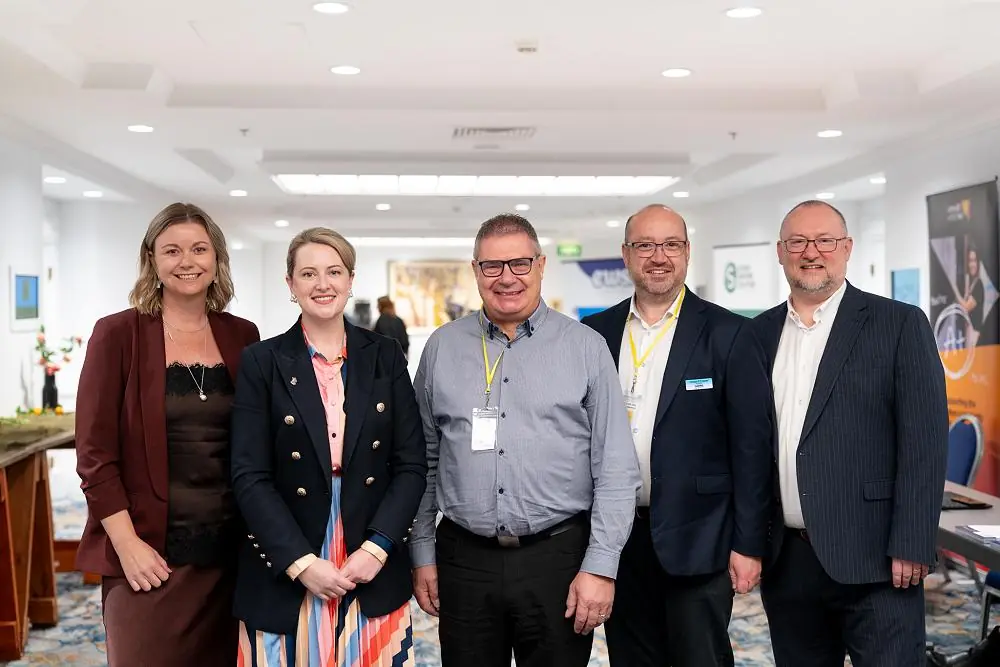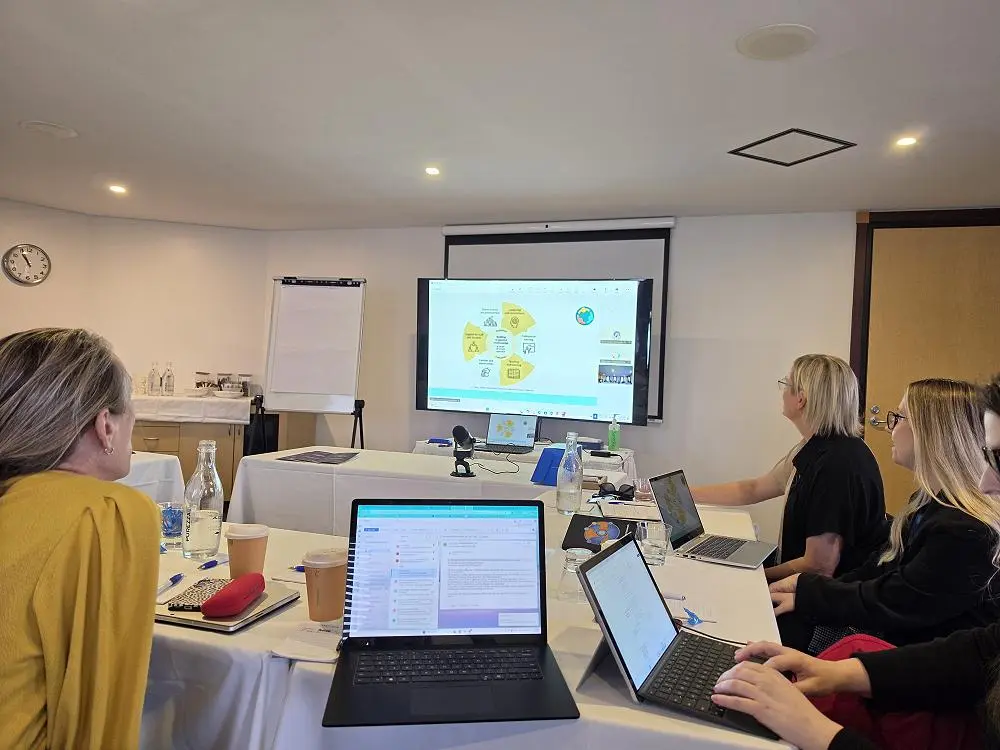


Here are some of the advocacy spaces that we are working in this term…
INCLUSIVE EDUCATION JOINT ASSOCIATION PAPER
The Small Schools Association (SSASA) is continuing to work closely with SAPPA, SASPA, SASSLA, SAASLA, PDA SA and SASEPLA to finalise a joint position paper on inclusive education.
This work is informed by the experiences of leaders from small schools and preschools right across South Australia. SSASA acknowledges the unwavering dedication of our educators to fostering inclusive public education, and we highlight the ongoing challenges faced regarding funding, access to specialist support, placement alternatives, and workforce resources that are not meeting the evolving needs of our children.
Our intent is for this position paper to serve as a practical resource for positive advocacy in our dialogue with the Department for Education, government, and broader system partners.
Rather than simply outlining the difficulties, this document aims to guide the development of more sustainable and effective strategies for meeting the needs of children living with disability and additional complexity, alongside their families, staff, and leadership teams.
We anticipate sharing this paper with our members in the near future and welcome their engagement in this important conversation.
ELECTION COMMITMENT – ABOLISHING MATERIALS AND SERVICES FEES FOR FAMILIES
2027 FUNDING AND BUDGET ARRANGEMENTS
The Small Schools Association of South Australia (SSASA) is acutely aware of how important advance notice around site budgets is for our member schools. Small schools often face unique constraints, and early budget clarity helps with effective planning for staffing, learning programs, resource allocation, and day-to-day operations.
Recently, SSASA has been engaged in conversations with the Department for Education regarding plans for 2027, particularly in light of the Government’s commitment to removing the Materials and Services Charge for families. While we appreciate the intent behind this reform, its practical impacts for small schools need to be fully understood before implementation. We are seeking clear information on which expenses will be centrally supported and how site-level budgets—including local charges currently supporting resources and programs—will be affected.
The association is working to ensure that any changes account for the diverse circumstances of small schools, which often operate in financially vulnerable settings and provide crucial services for their communities. We are especially mindful that an adjustment of this scale may influence existing charging frameworks and local financial management practices.
As planning work progresses, SSASA continues to request assurance that the needs and perspectives of small schools are front and centre in departmental decision-making. We are emphasising that equity and flexibility must be built into new funding arrangements, acknowledging both the strengths and pressures that characterise small schooling environments.
Above all, SSASA is advocating for clear, timely communication about any policy or funding changes that will affect sites in 2027. Small schools rely on early advice to avoid committing to staffing or programs based on projected figures that may later be revised. Budget stability and open, advance communication will help us serve our students and communities with confidence.
INFORMING PUBLIC EDUCATION MEDIA CAMPAIGN WITH MINISTER LUCY HOOD MP
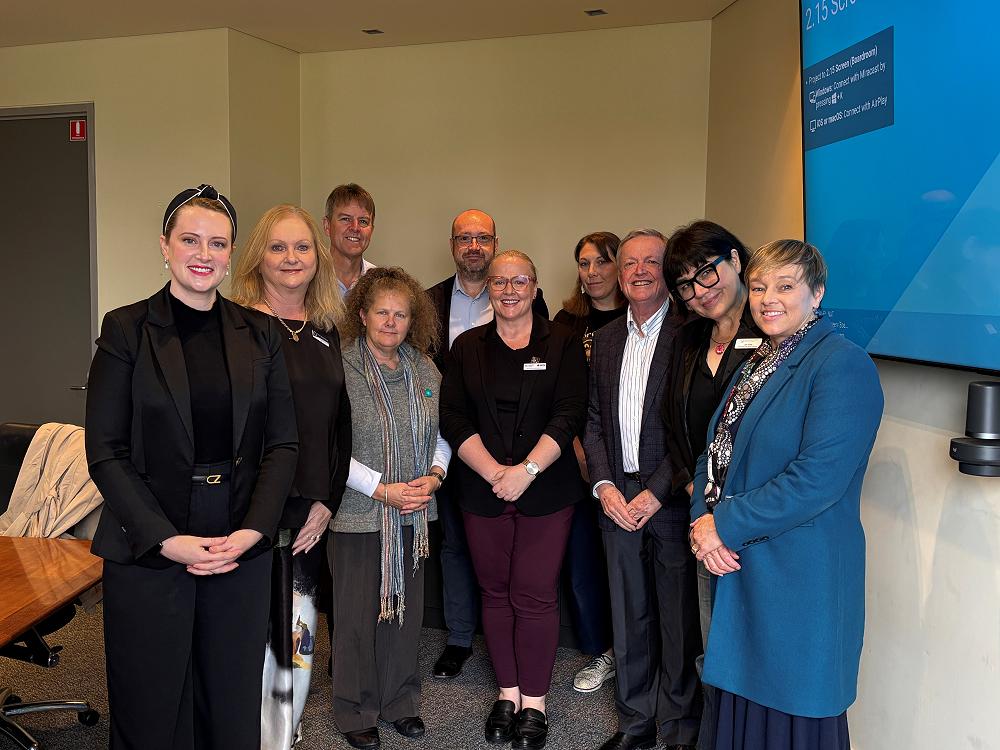
SSASA, together with other principal and school associations, is actively contributing to a unified approach towards public education advocacy and promotion. During several meetings held so far, associations including SSASA participated in discussions facilitated with Minister Lucy Hood MP, who has a strong interest in supporting a robust public education campaign.
The associations are sharing their unique perspectives—particularly those relating to regional, remote, and small school contexts—to ensure any potential campaigns accurately reflect the diversity and strengths of public education across South Australia.
Key points from the collaboration include:
-
The associations, alongside Minister Hood, are focused on shaping key messaging for potential campaigns to ensure that the voice and value of public education is clearly communicated to the broader community.
-
SSASA and the other associations are providing input on campaign priorities, target audiences, and potential messaging points to highlight the achievements, challenges, and contributions of public schools.
-
There is an emphasis on authenticity in the campaign narrative, with SSASA advocating for the inclusion of success stories and unique experiences from small schools that showcase their important role in the state’s education system.
-
Continued collaboration is planned, with Minister Hood inviting ongoing input from SSASA and the other associations as the campaign develops, ensuring regular consultation and feedback loops to adapt the campaign as needed.