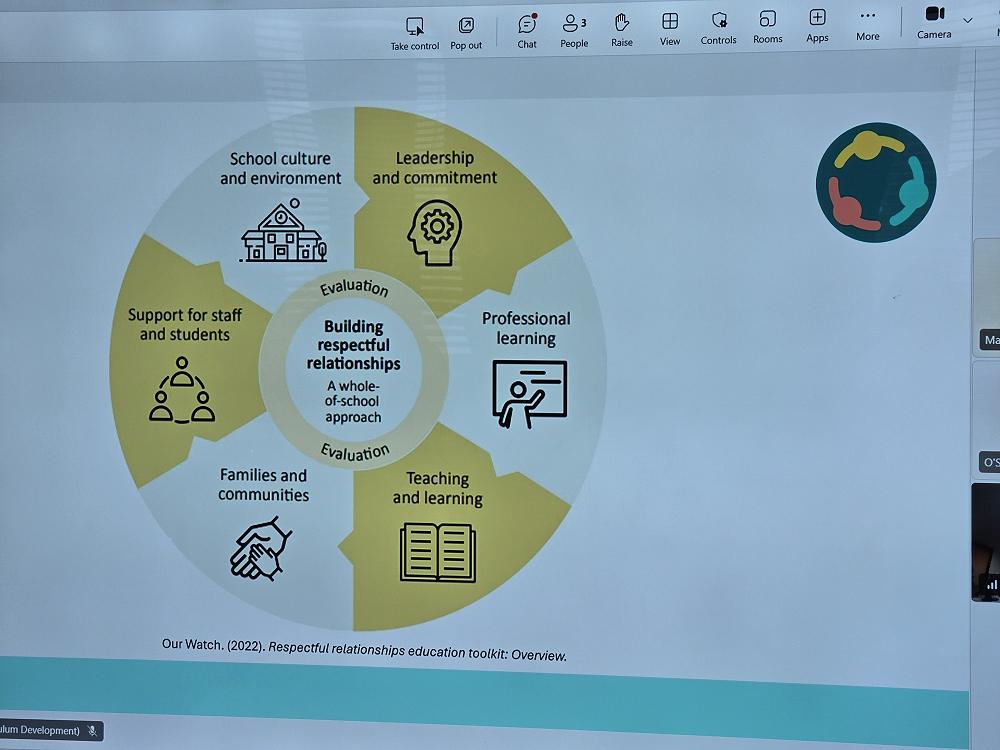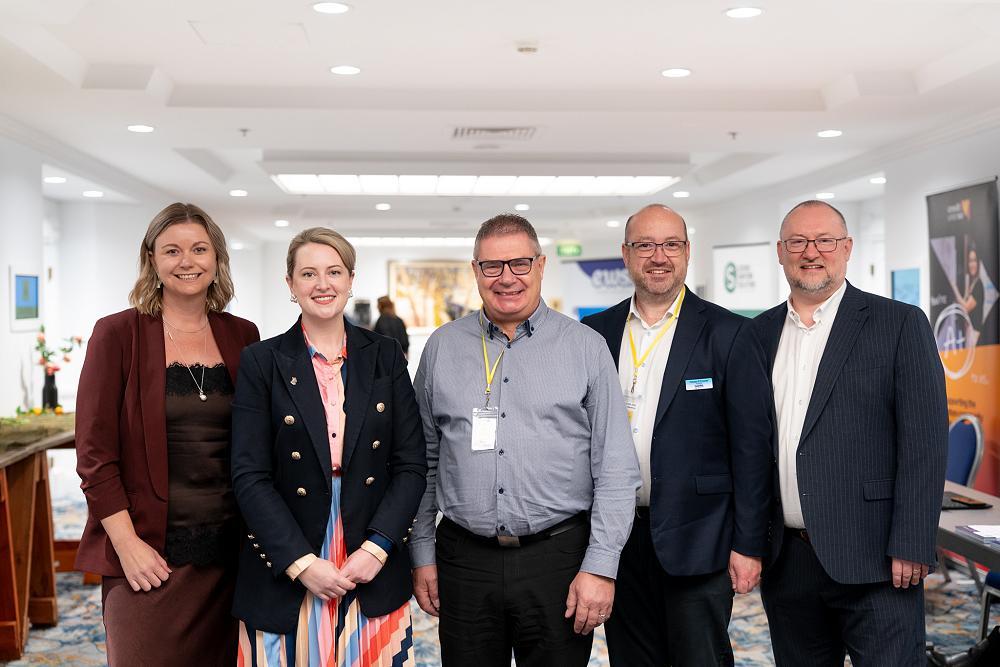

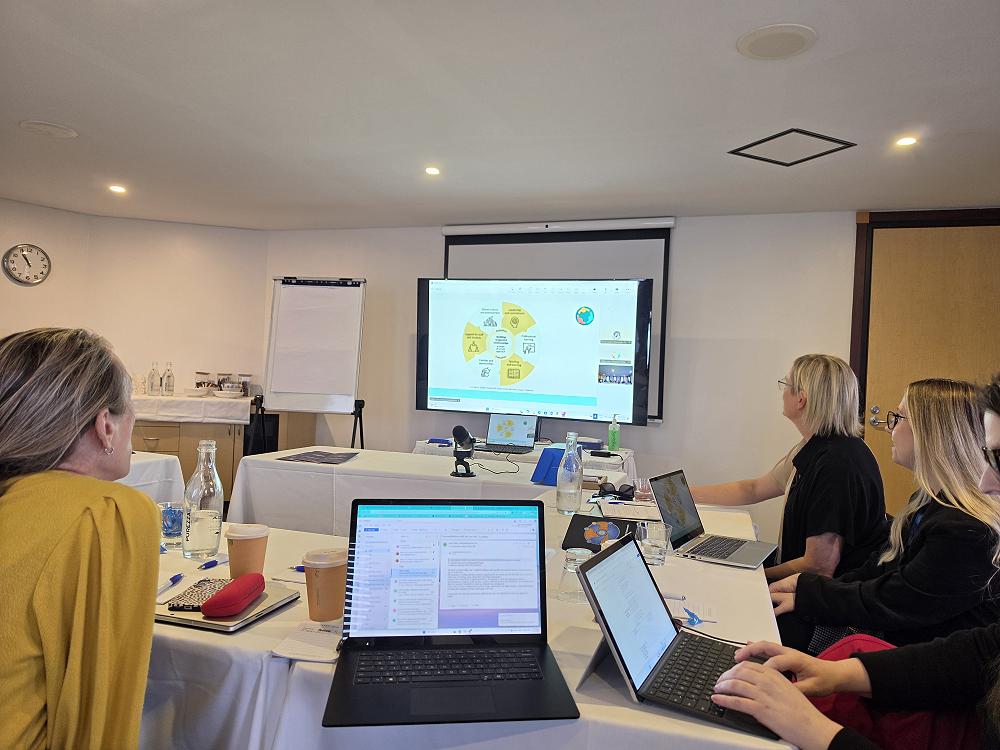
Today we met with Ruth and Laura from the DfE Respectful Relationships team.
The key messages we learned today were:
-
This is not new work – this focus builds on the work of existing curriculum including the Child Protection Curriculum
-
This project is a State and Federal priority and has the backing and support of many organisations across the country
-
This is a Primary and a Secondary focus – we are seeing younger students struggling with this earlier than ever
-
There are direct links to the curriculum which are listed within the ACARA documentation
-
Students have strong feelings about respectful relationships and want to learn strategies to support themselves
Key Objectives of Respectful Relationships
-
Promote equality and respect: Students learn to value themselves and others, regardless of gender, background, or ability.
-
Develop healthy relationships: The program teaches communication, empathy, and conflict resolution skills.
-
Prevent violence: By addressing attitudes and behaviours early, RRE contributes to reducing domestic and family violence in the long term.
-
Support educators: Professional development and resources help teachers and early childhood professionals’ model respectful behaviours and integrate RRE into their teaching
We talked about what respectful relationships education looks like in our schools and what we think works well in a small school context
-
this work is grounded within the KS:CPC and school values-based education programs; it is often built into the small school culture
-
students in small schools can be more accepting of individual differences
-
it can be easier in small schools to have a common approach
Challenges we face in the small school contexts
-
some of our communities hold values that are in direct opposition to the messaging taught in schools, this is sometimes amplified with generational differences of view
-
there can be tensions within small communities where educators cross over as community members in sporting clubs and other community clubs
-
sites with secondary enrolments find the differences between the settings sometimes amplifies the challenges but this can also be used as a lever to draw upon community supports to work collectively
What could be developed or enhanced throughout the project to better support a culture of RRE at our sites
-
our teachers/leaders need to know where to go when they need help – when things go wrong
-
there is a fear of media responses to open conversations in classrooms which can lead to our educators to shy away from facilitating them – we want to feel confident that our language and decision-making is in line with the RRE guidelines and DfE expectations
-
it is beneficial when the messaging to parents is clear; this is not a school decision, this is for everyone
-
we would appreciate resources that we can use in parent communications including newsletter articles etc
-
guidance around approved external providers if appropriate
HOW CAN YOU FIND OUT MORE:
-
Respectful Relationships page on EDi (please note, the page is currently being updated and will reflect these changes asap)
-
through the Wellbeing Education Network on TEAMS – we can help you connect if needed
-
Contact: Respectful Relationships Education
Phone: 8463 5830
Email: education.RRE@sa.gov.au
-
RRE student voice toolkit will be available on EDi with the update
-
there will be some self-assessment tools available in the future as part of a whole school implementation toolkit